mustelids.net
There's no company here and nothing to sell. It's a personal domain belonging to some guy out in the world who happens to love mustelids, picked the name for that reason, and wanted a corner of the internet to tinker with.
Right now it's mostly a placeholder whilst I figure out what to put here. The idea's to grow it slowly: maybe a small site, maybe a few side projects, then at some point connect something like a Minecraft server off a subdomain so friends can join at an address that's easy to remember.
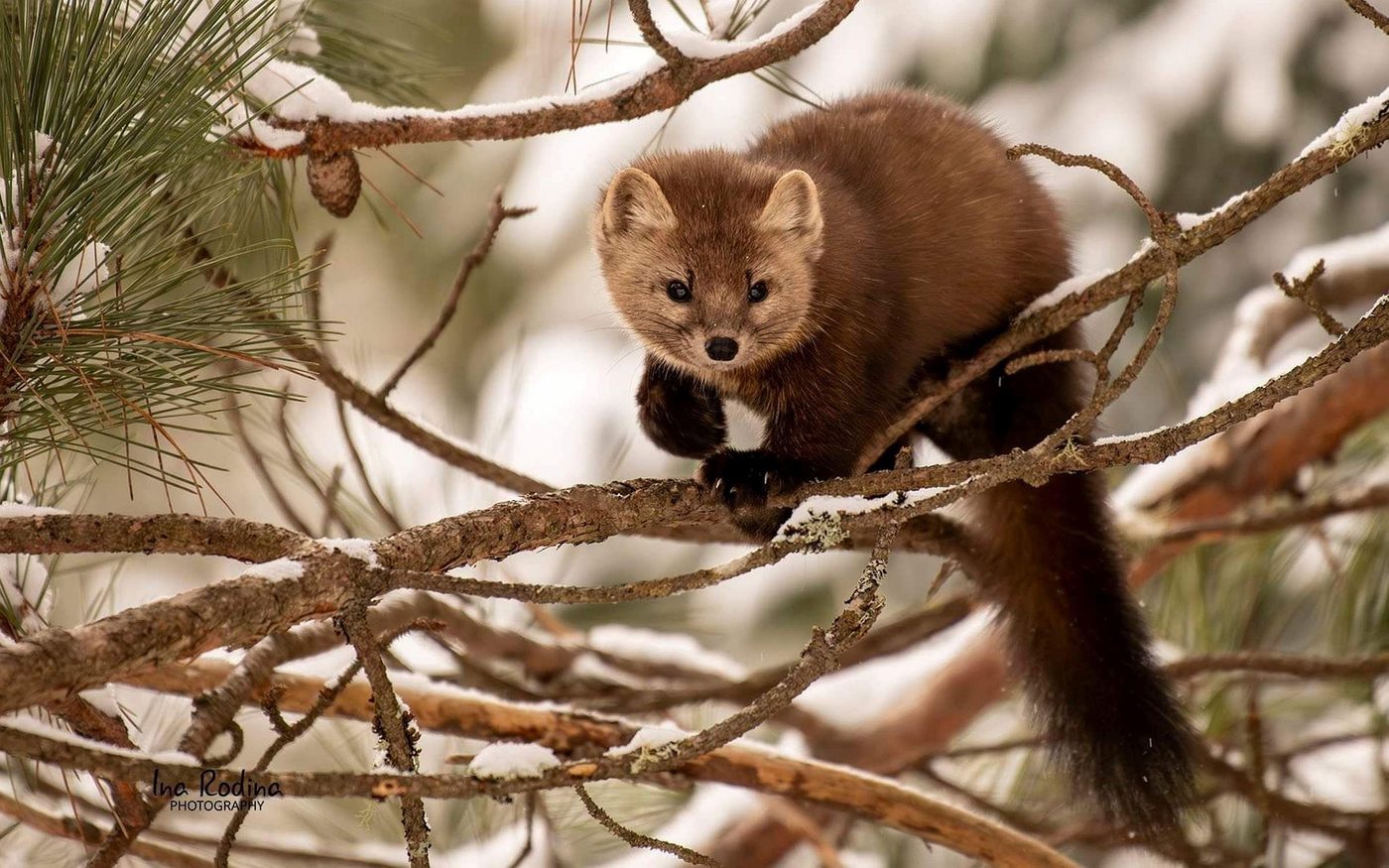
Photo by Ina Rodina
For anyone who landed here expecting something scientific and peer reviewed, pardon my dust! In compensation, here's the whole family laid out. The genus names link off to Wikipedia.
| Subfamily | Also known as | Genera |
|---|---|---|
| Lutrinae | otters | Lutra, Hydrictis, Lutrogale, Aonyx, Amblonyx, Enhydra, Pteronura, Lontra |
| Mustelinae | weasels, minks & ferrets | Mustela, Neogale |
| Guloninae | martens, tayra, fisher & wolverine | Martes, Pekania, Eira, Gulo |
| Ictonychinae | grisons & African polecats | Galictis, Ictonyx, Poecilogale, Lyncodon, Vormela, Poecilictis |
| Helictidinae | ferret-badgers | Melogale |
| Melinae | Eurasian badgers | Meles, Arctonyx |
| Mellivorinae | honey badger | Mellivora |
| Taxidiinae | American badger | Taxidea |
That's 25 genera the way it's split here, across 8 subfamilies. The Mammal Diversity Database folds Aonyx, Amblonyx and Lutrogale into Lutra as subgenera, which trims it to 22, same otters either way. And no, skunks, stink badgers, raccoons and red pandas aren't in here: they're musteloid cousins, but they sit in their own families.
You dig the den before you fill it.